Production
What Is Cemen and How Is Pastirma Made?
What is in the cemen coating, which stages pastirma goes through, and what limits sit behind a production that takes about a month.
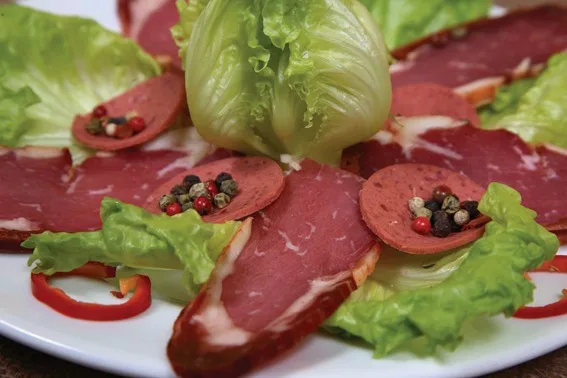
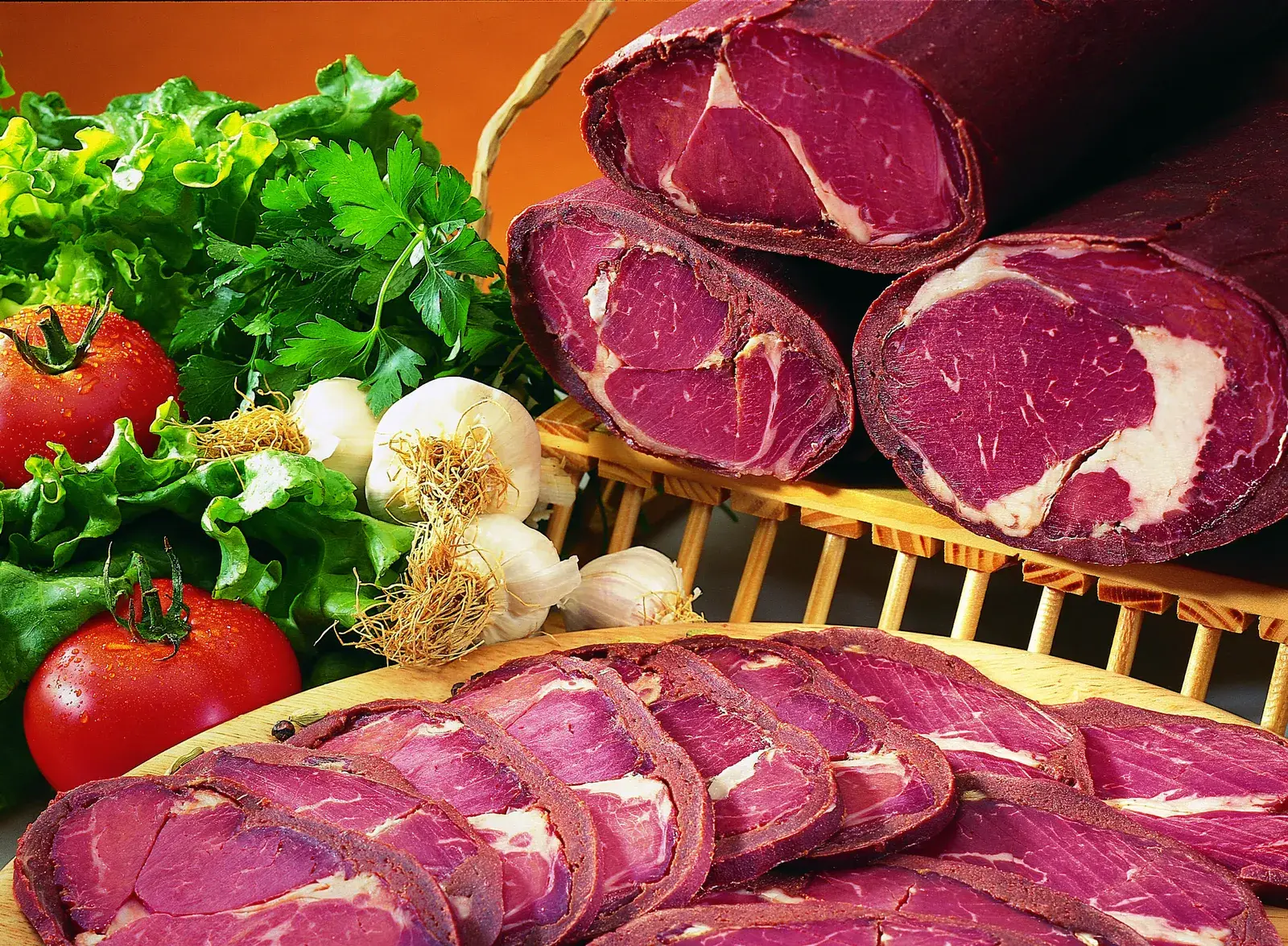
One of the things that make pastirma pastirma is the red-yellow coating on the meat: cemen. Some people peel it off before eating, others leave it thick. Let us look at what is in it and what route the pastirma takes before it gets there.
The stages and proportions below are taken from the geographical indication registration document for Kayseri Pastirması. This is the recipe of a registered product made in Kayseri. Each producer's timings and details may differ.
What is in cemen
According to the registration document, cemen is made of the following mixture:
- 45 percent a mixture of buyotu (fenugreek) seed flour, bitter vetch and wheat flour
- 5 percent spices: sweet ground red pepper, hot ground red pepper and cumin
- 5 percent garlic
- 45 percent water
When the cemen is applied, the wet cemen may be 15 percent of the weight of the meat, and after drying it may be at most 10 percent.
The stages pastirma goes through
The sequence in the registration document is roughly this:
- Slitting and salting. The meat is divided into large pieces, angled cuts are opened and salt is packed in. Then it rests in salt for 2 to 4 days. A nitrite curing salt is used for curing.
- Washing and draining. It is washed for at least 1 hour, then hung to drain for 5 to 7 days.
- Pressing. It is left under weight for 12 to 24 hours.
- Drying. In the open air for 5 to 7 days, or in a conditioning room at 20 to 25 °C.
- Second pressing. 15 to 30 minutes.
- Applying the cemen. The meat is coated, and it rests at 0 to 4 °C for 1 to 2 days. The excess cemen is scraped off, leaving a thin layer.
- Final drying. At 20 to 25 °C.
The Kayseri Governorship's page says production takes about a month. The document does not give a total time, but the stage durations fit that figure.
Limits in the regulation
According to the Communiqué on Meat, Prepared Meat Mixtures and Meat Products under the Turkish Food Codex (2019), pastirma is a cured, dried meat product that has not been heat treated. The technical limits are: moisture at most 50 percent excluding cemen, pH at most 6, salt at most 10 percent in the dry matter (excluding cemen), and dry cemen at most 10 percent. The communiqué also recognises pastirma with the cemen removed and requires that to be stated on the label. The communiqué was amended in 2026, so you should check the current text in the Official Gazette.
What cemen does
The Kayseri Governorship says cemen gives flavour and also inhibits microbial growth and oxidation. There is also a study reporting antimicrobial effects of fenugreek extract in the laboratory, but it concerns fenugreek itself and does not measure the shelf life of pastirma.
Is cemen eaten?
We found no official source on whether cemen is eaten or removed. The communiqué treats both pastirma with cemen and with cemen removed as legitimate sales, and we found no evidence that eating cemen is harmful. It comes down to taste. Cemen gives pastirma a strong garlic and spice flavour; some people like that and some scrape it off.
Kayseri pastirması and pastirma are not the same thing
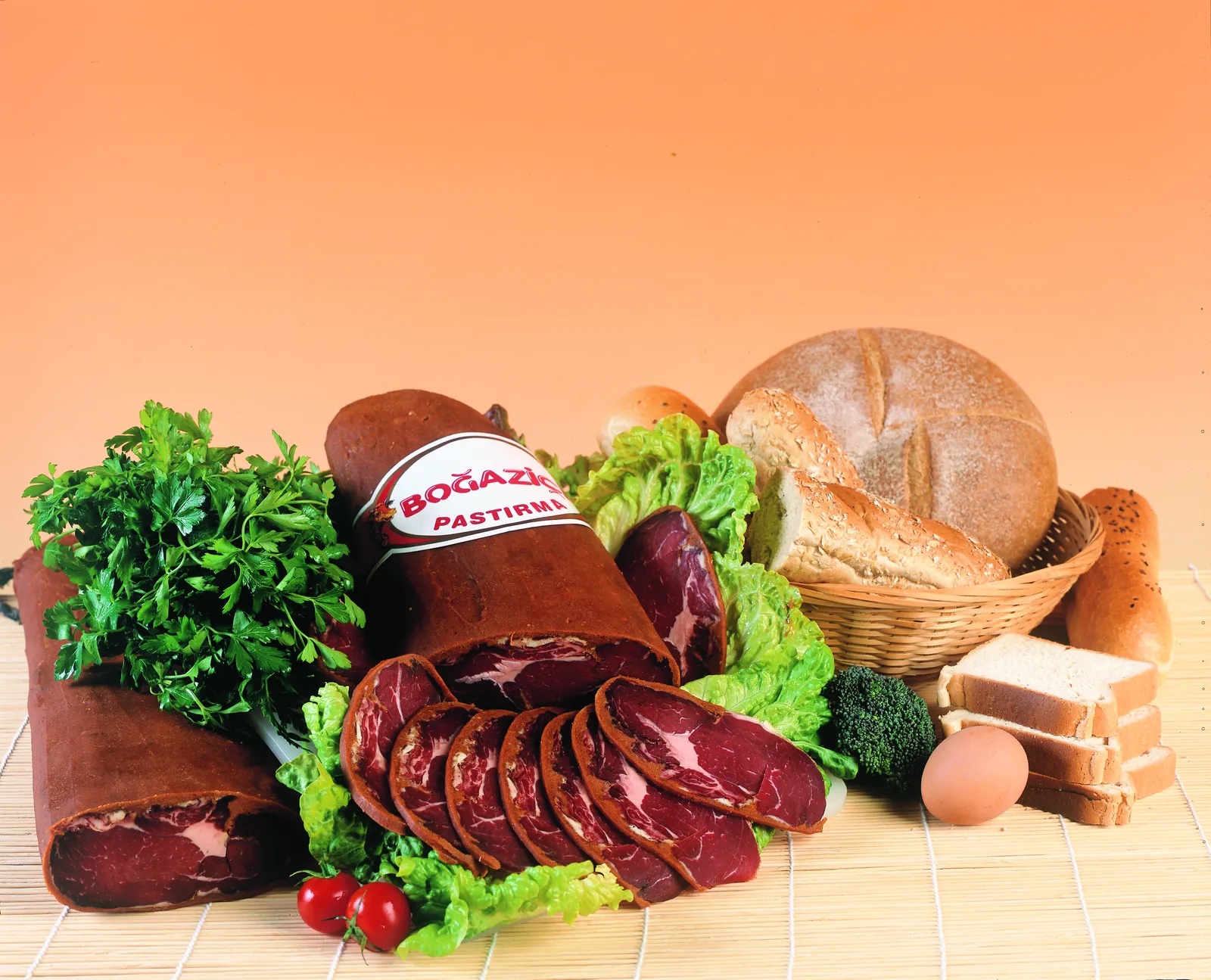
The name "Kayseri pastirması" is protected by a geographical indication and can be used only for a product made in Kayseri under the registered conditions. The registration document requires meat from the back, rump and shoulder of male calves aged 2 to 5 years and weighing at least 250 kg. A pastirma made elsewhere cannot be given this name. We make Boğaziçi pastirma from beef, under hygienic conditions, with the traditional method, and that name is not covered by the Kayseri registration.
Sources
Many of the linked sources are in Turkish.
- Kayseri Pastirması geographical indication registration document (Turkish Patent and Trademark Office)
- Turkish Food Codex Communiqué on Meat, Prepared Meat Mixtures and Meat Products, Official Gazette 29 Jan 2019
- Kayseri Governorship: Kayseri pastirma
- Study on the antimicrobial effect of fenugreek extract (DergiPark)