Product Guide
Antrikot Pastirma vs Sirt Pastirma: What Is the Difference?
Both cuts come from the back of the animal, but not the same place. The difference in texture, fat and use, and why the names get mixed up in Turkey.
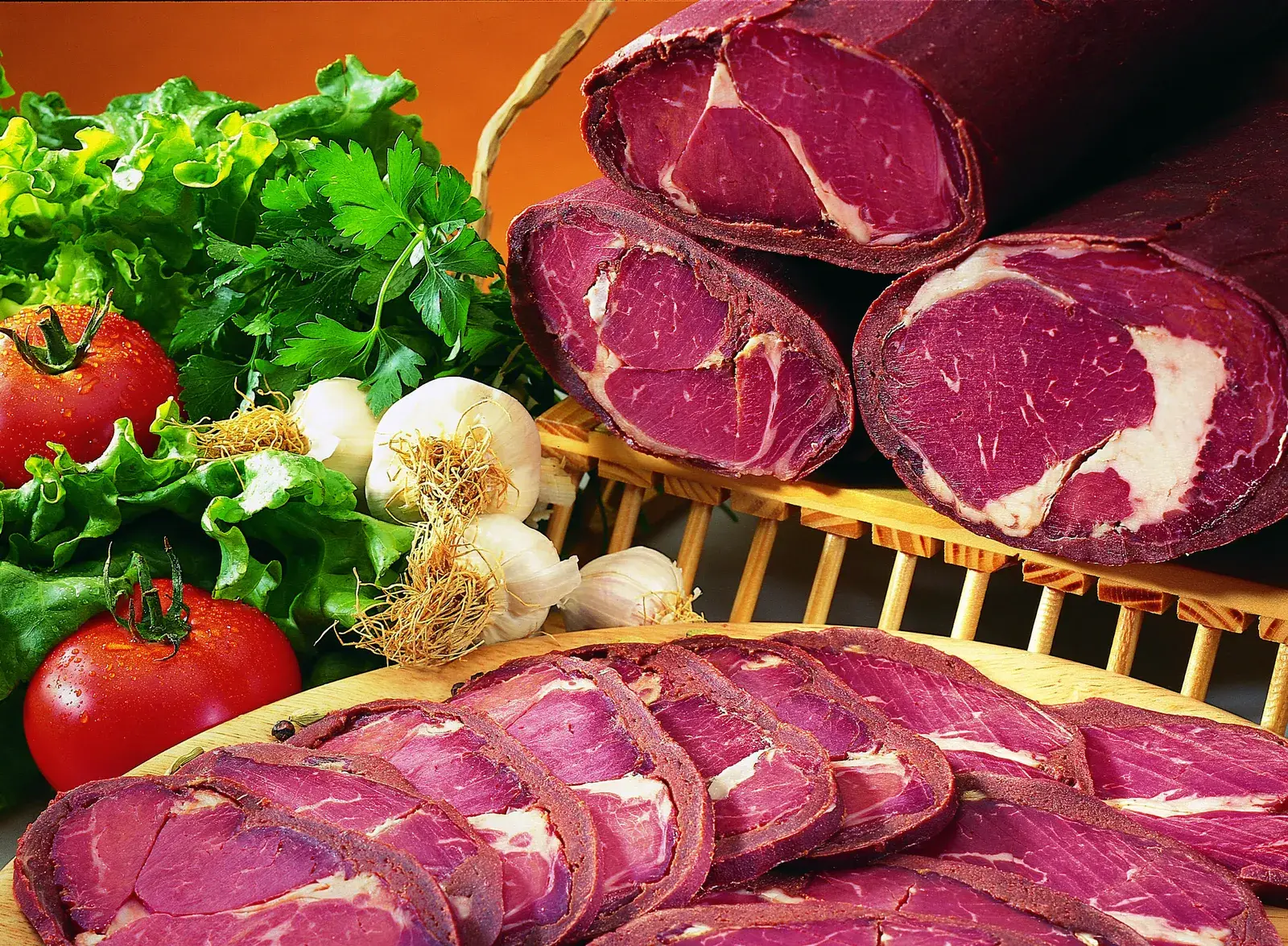
When both antrikot and sirt pastirma show up at a butcher's or on a producer's list, asking what separates them is a sensible reflex. There is a difference, but the naming is not the same everywhere in Turkey. So let us first look at where on the animal each one comes from.
Where antrikot comes from
Antrikot is the cut from the upper part of the ribs on the back of the animal. It has clear marbling, the thin lines of fat inside the meat. Kontrfile comes from the loin side of the back; it is leaner and its texture is firmer. Yemek.com's description of antrikot separates the two cuts in this way.
What sirt pastirma means
This is where it gets a little tangled. Some producers use the name "sirt pastirma" directly for kontrfile. One pastirma maker writes that its sirt pastirma is made from the loin area, the leanest part of the meat, in pieces of 2 to 2.5 kg. Another producer says antrikot pastirma is fattier than sirt pastirma, with a crisp outside and tender inside when pan-fried.
On the other hand, in the Kayseri Pastirması registration document "sirt" is a much broader cut name: back, rump and shoulder portions are counted together, and no distinction is made between antrikot and sirt pastirma. So this distinction is not a legal or standard one. It is a naming habit that has settled in the market, and the same word can mean different things in different places.
| Feature | Antrikot pastirma | Sirt pastirma (kontrfile) |
|---|---|---|
| Cut | Back, upper part of the ribs | Loin side of the back |
| Fat | Clear marbling, generally fattier | Leaner |
| Texture | Softer, can stay crisp outside when pan-fried | Firmer and fuller |
This table rests on the common usage in the producer and food sources we cite. Do not read it as a rule that applies to every producer.
Which to choose, and when
If you like a fatty, tender texture, antrikot suits you better. If you want a leaner, fuller slice, the sirt side stands out. On a breakfast plate in thin slices, both work. If you are making eggs with pastirma in a pan, the fattier cut will release more of its own fat. This comes down entirely to taste.
On price and drying time we could not find a general difference between the two cuts. We found no reliable comparison.
What to ask when buying
The same name does not guarantee the same cut. The safest route is to ask where on the animal the pastirma was made from and to check the species on the label. Both our antrikot and sirt pastirma are made from beef, under hygienic conditions.
Sources
Many of the linked sources are in Turkish.