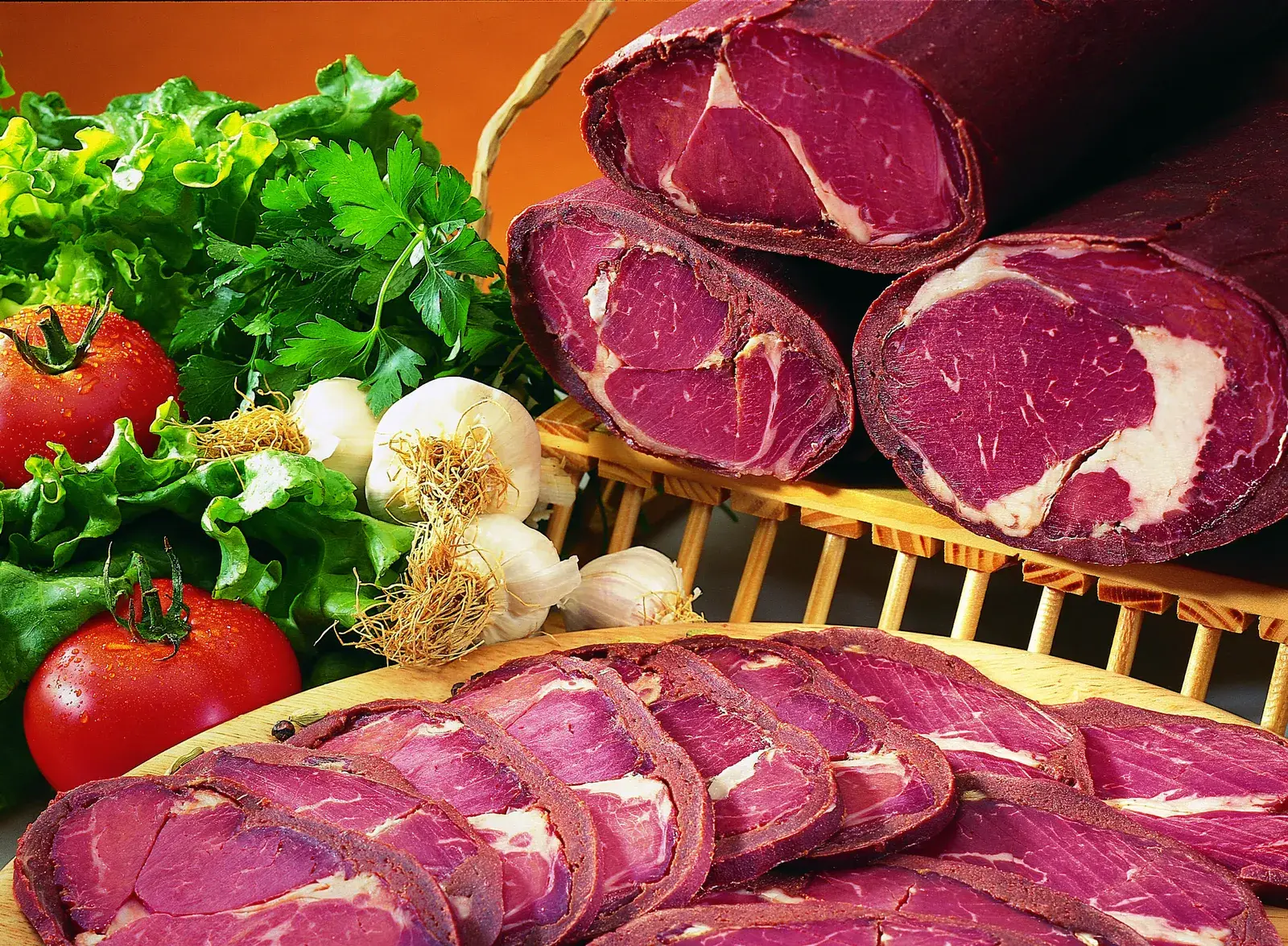
Storage
How to Store Pastirma: Sealed, Opened and Frozen
Shelf life in a sealed pack, what to do once opened, freezing and signs of spoilage, separating where there are official figures from where there are none.
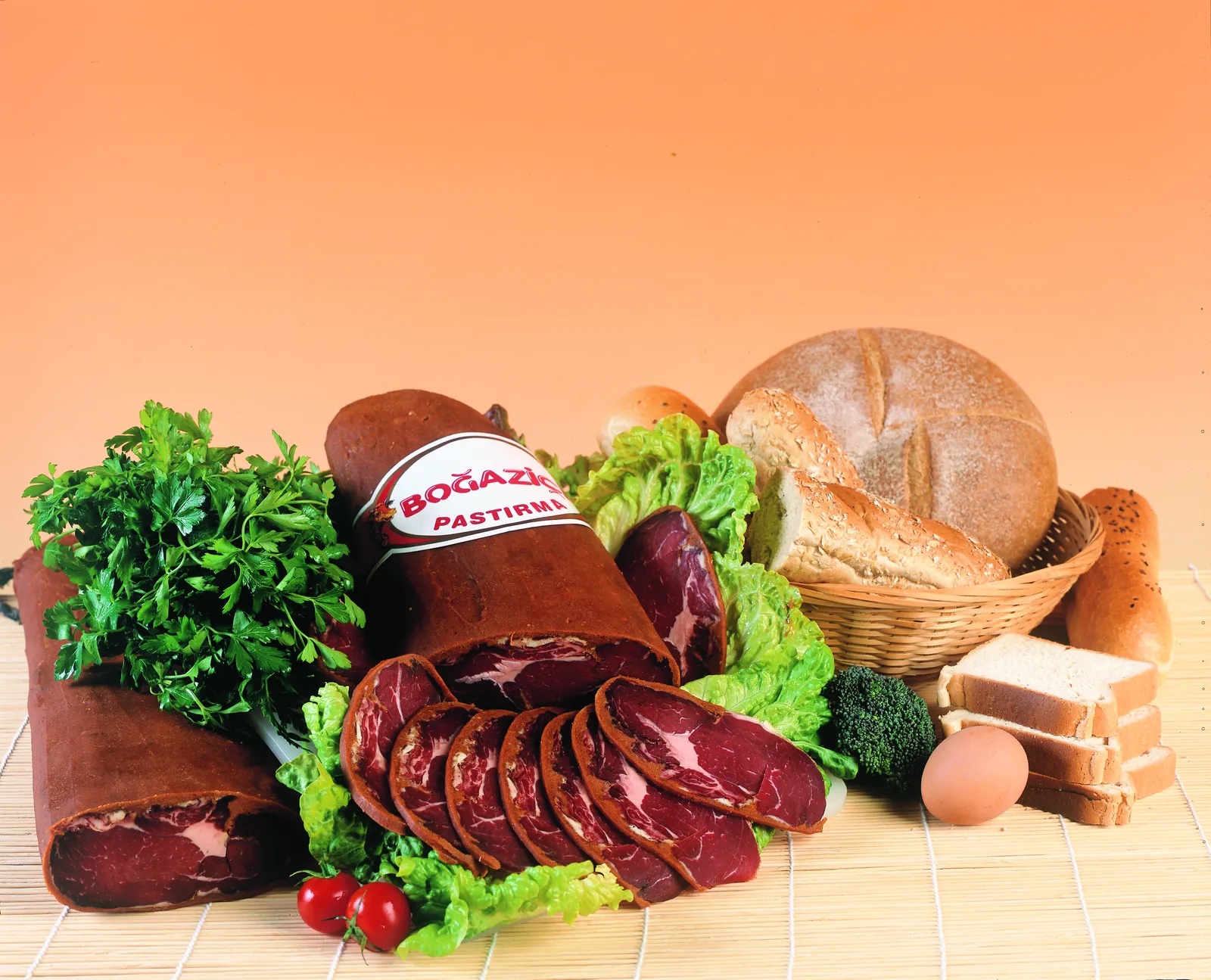
A pack of pastirma rarely gets finished in one sitting. How you keep the rest decides both its flavour and how safely you can eat it.
Shelf life when sealed
The most solid figure we have comes from the geographical indication registration document for Kayseri Pastirması. According to the document, pastirma can be kept for 3 to 4 months at 0 to 4 °C, and for 4 to 6 months in modified-atmosphere packs (70 percent nitrogen, 30 percent carbon dioxide). It can be sold whole or sliced, with the cemen paste on or removed.
That period is written for the production conditions of a registered product. It is not a household guarantee. The use-by date and storage instructions on the pack you bought always take precedence.
After opening
We found no official household storage time for opened pastirma. The figures most often given in food publications are 7 to 10 days in the fridge, and 5 to 7 days if it has been sliced. Sliced pastirma lasts a shorter time because it has more surface area, meets more air and dries out quickly.
The usual advice is to wrap pastirma in parchment paper first and then in cling film, and to put it on the middle shelf of the fridge. The door shelf is exposed to temperature swings every time the door opens.
Freezing
If you plan to freeze it, divide it into portions first. If you wrap only what you will thaw in one go, you will not have to refreeze the rest. Sources mention up to 6 months in the freezer, but those figures come from producers and food sites, not from an official source. Thawing in the fridge for 12 to 24 hours is recommended. Do not refreeze it after thawing.
We found no reliable comparison of how much freezing changes the texture of pastirma. Some producers do not recommend it at all. If you do not have to freeze it, buying a small enough pack to finish while it is open is the better route.
Should you remove the cemen?
The regulation under the Turkish Food Codex allows pastirma to be sold with the cemen removed, and in that case requires the label to say so ("Çemeni sıyrılmıştır", cemen removed). So both forms are legitimate. Some blog posts say cemen is a preservative and should be left on during storage, but we found nothing to support this. The Kayseri Governorship's page says cemen inhibits microbial growth and oxidation. Its effect on shelf life would need a separate measurement, and we do not have one. The practical advice is to follow the pack's instructions.
Signs of spoilage
- A sour, sharp or otherwise unpleasant smell
- A sticky or slimy film on the surface
- Greying or uneven darkening
- A bitter or metallic taste
If any of these apply, or if you are not sure, do not eat it.
When serving
Pastirma is a salty product. According to the regulation, salt in the dry matter (excluding cemen) may be at most 10 percent. When making eggs with pastirma, it is a good habit to taste before adding any salt.
Sources
Many of the linked sources are in Turkish.